By Tracy Schruder
As Canadians, we must remember the pivotal moments that have shaped our nation’s history. One such moment occurred on February 14, 2022, when Prime Minister Justin Trudeau invoked the Emergencies Act in response to protests across the country. This move granted extraordinary powers to law enforcement, allowing them to freeze bank accounts, suspend insurance coverage for participating vehicles, and dismantle blockades through large-scale police operations.
The Emergencies Act is rarely invoked, and its use is typically reserved for wartime or national security crises. Notable instances of its use include:
– World War I (1914): The War Measures Act was first invoked, granting the government sweeping powers to intern enemy aliens, censor the press, and regulate the economy.
– World War II (1939): The Act was invoked again, allowing the government to intern Japanese Canadians, restrict civil liberties, and mobilize the economy for war.
– October Crisis (1970): The War Measures Act was invoked in response to kidnappings and bombings carried out by the Front de libération du Québec (FLQ).
– Peacetime Emergencies (1988): The War Measures Act was replaced by the Emergencies Act, allowing for more limited and specific emergency declarations.
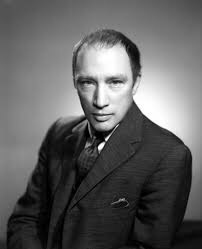
Pierre Trudeau, Justin Trudeau’s father, invoked the War Measures Act in 1970 during the October Crisis. This decision was based on the need to restore order and stability in Quebec, but it was also widely criticized for its impact on civil liberties.
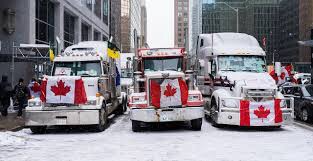
During the Trucker Protest, the Trudeau government’s actions went beyond the Emergencies Act. They worked to disrupt the flow of funds to protesters, securing a court order to freeze funds raised through the GiveSendGo platform. Trudeau also announced tariffs on US goods in response to US tariffs, although this move was not directly related to the protests.
Government Reaction to Protests During Trudeau’s Tenure
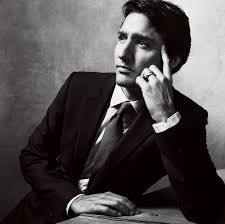
Trudeau’s government has responded to various protests throughout his tenure. Some notable examples include:
– Indigenous Rights Protests: The government faced criticism for its handling of Indigenous rights protests, particularly the Wet’suwet’en pipeline protests.
– Anti-Mask Protests: The government took a firm stance, emphasizing the importance of public health measures and encouraging Canadians to follow the guidelines.
– Environmental Protests: The government has responded by emphasizing its commitment to environmental protection and attempting to balance economic and environmental concerns.
Pre-Trudeau Era
Before Trudeau’s tenure, the Canadian government responded to protests in various ways. Two notable examples include:
– October Crisis (1970): The government invoked the War Measures Act, granting the military sweeping powers to arrest and detain individuals.
– Quebec Protests (2012): The Quebec student protests were a significant event, with students protesting against tuition fee increases.
Trudeau’s Policies and Their Impact
The Justin Trudeau government has introduced several new laws, bills, and taxes that have impacted Canadians’ lives. Some notable examples include:
– Tax Breaks: A tax break announced in November 2024 aims to put more money in Canadians’ pockets by exempting essentials like groceries and children’s clothing from GST/HST.
– Environmental Policies: The government has implemented various initiatives to reduce carbon emissions and promote sustainability, such as the Clean Fuel Standard.
– Notable Policies: The government has supported the expansion of the Trans Mountain pipeline and launched various initiatives to address climate change.
Holding the Government Accountable
Holding leaders accountable is crucial for ensuring that they serve the best interests of their constituents. Here are some ways to hold government leaders accountable:
– Through Democratic Processes: Voting, contacting representatives, and participating in public consultations.
– Transparency and Oversight: Freedom of information requests, independent watchdogs, and whistleblower protection.
– Media and Public Scrutiny: Free press, social media, protests, and demonstrations.
– Education and Critical Thinking: Critical thinking, civic education, and fact-checking.
– Accountability Mechanisms: Independent commissions, parliamentary committees, and judicial review.
In conclusion,
as Canadians, it is essential to remember the significant events that have shaped our nation’s history. The invocation of the Emergencies Act, the government’s response to protests, and the introduction of new policies have all had a profound impact on our country. As we move forward, it is crucial that we continue to hold our leaders accountable and work towards creating a better future for all Canadians.


 tracyschruderblogspot
Leave a reply to Wholeness Chronicles Cancel reply