Tag: speaking

  • Lesser Than Polished: Language is a wonderful thing

    By Tracy Schruder


    The way we speak is important, but the way we write must lean heavily on perfection. I grew up thinking I knew how to communicate “properly,” only to realize later that my everyday speech was a patchwork of English slang.

    English is one of the most complex languages on the planet. It’s extremely difficult to teach a foreign learner the full gamut of words, especially when the same word can have different meanings. Spelling, grammar, punctuation – noun, pronoun, verb – all add layers. It’s hard to explain that a “verb sandwich” isn’t something we eat, but a sandwich is something we eat.

    My own linguistic skills have improved as my writing career has expanded. As a kid I was taught to speak in English slang: “git” instead of “get,” “sopping” instead of “soaking,” “pretty” for “really” (e.g., “pretty scared”). I’d say “pernt‑near” instead of “almost” – “I pernt‑near tripled over that log.”

    My early school work (grades 2‑4) was atrocious. My language was called “hick” because other kids didn’t talk like me. Friends asked if I had an accent or spoke a different language. “More sophisticated” people said my speaking skills were “less than polished.” I had no idea what that meant. Polished is something we do to silver or fancy cars – make them shiny. My mind was closed; I couldn’t see how to polish my speech.
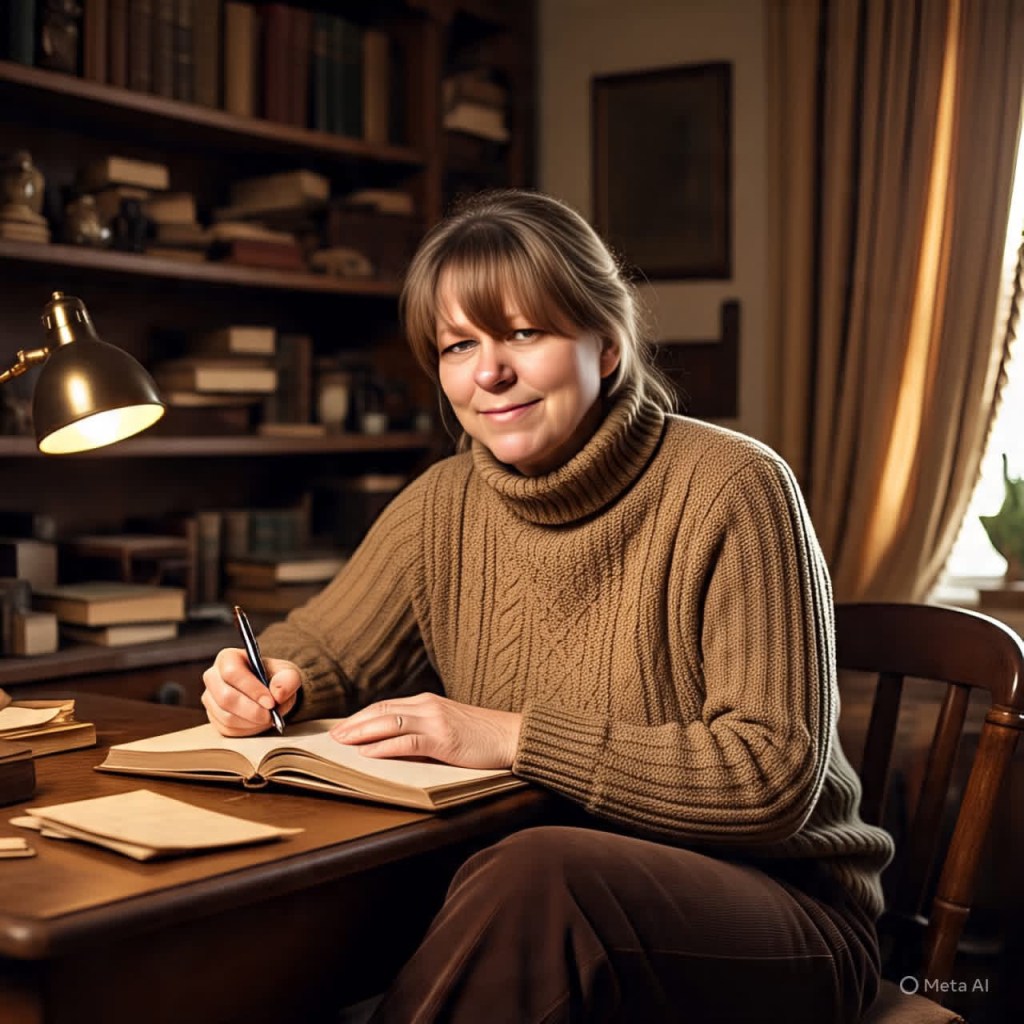
    That changed when I started writing. I quickly realized my writing reflected my talking. We write our stories from our perspective, in the language we know – correct or not. I churned out a few less‑than‑polished works with little success. Rereading them, I couldn’t see the problem until I started to read for real.

    I fell in love with reading. I don’t read everything – only what catches my interest. If a book doesn’t serve a purpose or stir something emotionally, I let it go. I don’t waste time feeding my brain alphabet soup just to say I “read that.”

    These days I’m hooked on spiritual and self‑improvement books. I’m always amazed at how many different writers find themselves and share their stories. I’ve tried many of their techniques and haven’t found one that didn’t somehow benefit my life.

    I deeply enjoy reading. I love to write. I’m swept away by its allure. I haven’t picked a niche yet – I’m still a curious, creative person with a passionate desire to create entertaining, interesting content. I’m learning all I can about writing, but knowledge only takes me so far.

    So I’ve decided to put the learning aside and dive into the black waters of the unknown. I believe I’m ready to unleash my own destiny, using the English language as best I can – even if it starts out less than polished.

  • Creating A Thought Filter

    Creating A Thought Filter
    The Power of Pause
    By Tracy Schruder

    Have you ever spoken words in the heat of the moment, only to regret them later? Or maybe you’ve struggled to express yourself respectfully, in stressful situations. The good news is that there’s a simple yet profound technique to help you create a filter between your thoughts and words, it’s the breath.

    The breath is a gateway to Mindfulness. The breath is more than just a physical function; it’s a gateway to mindfulness, self-awareness, and emotional regulation.

    When you harness the power of the breath, you can learn to pause between your thoughts and words. In turn, this allows you to; reflect on your emotions and intentions, allowing you time to choose your words more carefully and respond with tact.

    If you want to communicate more effectively and with empathy, you could try a simple breathing technique called 4-7-8 breathing, also known as the relaxation breath. You start by inhaling through your nose for a count of 4 seconds, next,hold your breath for 7 seconds and finally exhale through your mouth for 8 seconds. This should help to calm your nervous system and in turn create space for reflection.

    Another simple breathing technique is box breathing. This technique involves inhaling for a count of 4 seconds then holding your breath for 4 seconds, next exhale for 4 seconds and then finally holding your breath again for 4 seconds. This creates a ‘box’ shape with your breath, helping you stay focused and present.

    Throughout your day, take brief pauses to breathe and reflect on your thoughts and emotions. This technique is called mindfulness pausing. During your time pausing, simply ask yourself, Is this thought,word or action aligned with my core values and best intentions? The answer will arise from your level of awareness and you will act accordingly.

    Another great alternative technique to use is physical grounding or anchoring. With this technique you feel all the physical sensations in your body. You then use these sensations as anchors to bring you back to the present moment. For example, focus on the sensation of your feet on the ground or the feel the air on your skin. Ask yourself do I feel sturdy right now or is the temperature cool or warm? Get right into it.

    Finally, this is my absolute favourite technique, journaling. Writing down your thoughts and reflecting on them, can help you process your emotions and gain more clarity about values and intentions. I like to make a gratitude list each day in my journal.

    You may be wondering how to put all these techniques into a practice? It’s been proven that by
    Incorporating these techniques into your daily life, they can make a profound impact on your relationships, communication style, and overall well-being. To get started you should consider starting small with short pauses throughout your day, gradually increasing the duration as you become more comfortable with the practice.
    Make mindfulness and breathwork a regular part of your routine, ideally at the same time each day.
    Share your goals with a friend or family member and ask them to hold you accountable.

    In conclusion, creating a filter between your thoughts and words takes practice, patience, and self-awareness. By harnessing the power of the breath and incorporating mindfulness techniques into your daily life, you can develop greater emotional intelligence, communicate more effectively, and live a more authentic life. Remember, the breath is a powerful tool, use it to open doors to new possibilities and to close doors to old patterns that no longer serve you.