By Tracy Schruder
As a middle child in a blended family, I’ve often found myself navigating a complex web of relationships and roles. But what does it mean to be a middle child, and how does it shape our experiences and perspectives?
According to statistics, middle children make up approximately 52% of the population (Katrin, 2019). Research suggests that middle children often possess unique traits, such as being more diplomatic, adaptable, and creative (Kluger, 2011).
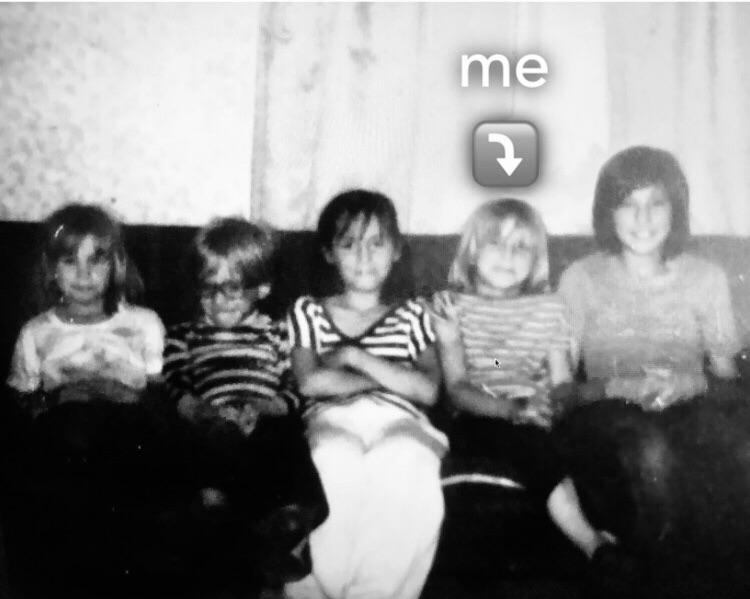
In my own family, I’m both the middle child to my mother, who had two daughters from a previous marriage before meeting and marrying my father, and the oldest child to my dad. This unique dynamic has taught me valuable skills, such as adaptability, creativity, and responsibility.
As the middle child, I’ve often been the risk-taker, the blame-taker, and the sibling collector, responsible for ensuring everyone gets home safely, when the street lights came on. This role has also brought me a sense of pride and responsibility.
My oldest sister once told me that I was the glue that held our family together. She explained that my birth helped cement her and our other sister’s relationship with my father, making him a true father figure in their lives. Her words meant the world to me and I accepted them as a duty call.
This realization has made me appreciate the significance of my position in our family. As the middle child, I’ve learned to navigate complex relationships, negotiate conflicts, and adapt to changing circumstances.
While being a middle child can present its challenges, it’s also given me a unique perspective on life. I’ve learned to be flexible, to listen, and to mediate. And I’ve come to realize that being the middle child isn’t just about my position in the family – it’s about the skills and traits that have helped me thrive in a complex and ever-changing world.
*References:*
Katrin, A. (2019). The Middle Child Syndrome. Verywell Family.
Kluger, J. (2011). The Power of the Middle Child. Time Magazine.
 tracyschruderblogspot