I imagine a place secluded in the woods. The house has glass walls and solar panels on the roof. There are panels of exquisite stained glass in the main entrance and bedrooms. The house features five bedrooms, each with its own bathroom and kitchenette. The interior walls, which separate the rooms, are made of the latest state-of-the-art building materials and are environmentally sound.
The master bedroom is strategically located to face west, allowing for breathtaking sunrises – a sight I’ve always cherished, particularly in the early mornings. In addition to the main house, there are three supplementary buildings, each constructed in a similar style.
The first building serves as a meditation house, complete with offices for Reiki classes and treatment rooms. The second building is a spacious greenhouse where I cultivate all my food and herbs. A dedicated room at the back of the greenhouse is reserved for experimentation and creating innovative plant-based teas and healing concoctions.
The third building is a three-bay, two-story garage with a cozy apartment on the top floor. The garage also features a tool and workshop section, meticulously maintained and organized. Throughout the buildings and main house, a diverse array of local and tropical plants hang elegantly, while natural and artificial waterfalls adorn the main entrance and treatment center.
The property’s natural beauty is further enhanced by the seamless integration of waterfalls into the landscape. A serene stream flows gently through the grounds, leading to a picturesque lake. The house itself is decorated with stunning original artwork and environmentally friendly furniture and accessories.
That’s about it. I can’t wait to bring this idea to life. ✨
As I scrolled through my Facebook feed, I noticed a post from a childhood friend. The post included some rhetoric about a current political party leader, accompanied by a picture of the man. His written contribution to the post was: “While written with a slight bias in the wording, these are all facts and on public record. This guy isn’t it. At least, not for me.” The comment was made on a shared post from another user, which included a list of all the negative aspects of this politician’s political history. That post inspired me to write this article.
We have all been guilty of investing too much energy and focus on things that don’t serve us. Whether it’s a toxic relationship, a stressful work environment, or a negative thought pattern, we often find ourselves stuck in a cycle of obsession. In these times, it’s more pervasive because we have social media. However, what if I told you that breaking free from this cycle is simpler than you think?
The answer lies in the ancient principle that energy follows focus. In other words, wherever you direct your attention, your energy will flow. This means that by simply ignoring or forgetting about something that’s draining your energy, you can effectively remove your focus and break the cycle of negativity.
So, why do people struggle to realize this? One reason is that humans are wired to respond to stimuli, especially when it comes to perceived threats or stressors. This can lead to a pattern of hyper-vigilance, where we become overly focused on the things that are causing us harm. However, this approach only serves to perpetuate the cycle of negativity.
As someone who has walked this path, I can attest to the transformative power of letting go. Through my own growth and self-awareness, I’ve learned to release the need to judge or focus on things that don’t serve me or the greater good. It’s not always easy, and there are times when old thought patterns and behaviors creep back in. But by cultivating present-moment awareness, I’m able to recognize these glitches in my own consciousness and gently guide myself back on track.
The truth is, we all have the power to choose where we focus our energy. If we choose to ignore the negative and instead direct our attention towards things that uplift and inspire us, we can create a profound shift in our lives. So, the next time you find yourself getting caught up in a cycle of negativity, remember that you have the power to break free. Simply ignore it, forget about it, and watch as your energy flows towards a more positive and empowering reality.
Unconditional love sent, unconditional love received
In conclusion,
our power of focus is a simple yet profound principle that can transform our lives. Once we understand that energy follows focus, we can begin to break free from the cycles of negativity that hold us back. Remember, you have the power to choose. Choose wisely, and watch as your life is transformed in profound and lasting ways.
You get some great, amazingly fantastic news. What’s the first thing you do?
By Tracy Schruder
I exercise gratitude.
When I receive great news, my immediate response is to express gratitude. The news doesn’t have to be personal for me to feel thankful. In fact, I’m deeply moved by hearing people’s stories about life’s milestones and successes, such as the birth of a child, a wedding, a career advancement, or a published article or book. I also appreciate stories of philanthropy and kindness.
Whenever I hear such news, I take a moment to thank the universe and the individuals who share their stories with me. It’s a way of acknowledging the beauty and goodness in the world.
Of course, when the news is more personal, my gratitude deepens. For instance, when one of my articles or pictures gets published in the local newspaper, or my manuscript is considered for publication, I feel immense joy and thankfulness. Similarly, when a client’s health improves after a Reiki treatment, or a student excels in their Reiki courses, I’m filled with gratitude for the opportunity to make a positive impact.
But gratitude isn’t limited to big achievements or milestones. I’m also thankful for the everyday blessings in my life, especially those related to my loved ones. When my family and friends experience joy, success, or good health, I’m grateful for the love and connection we share.
In a world that often focuses on challenges and negativity, practicing gratitude can be a powerful antidote. By acknowledging and appreciating the good things in life, we can cultivate a more positive and compassionate mindset. So, let’s take a moment to express our gratitude for the joys and blessings in our lives.
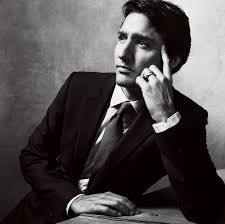
As Canadians, we must remember the pivotal moments that have shaped our nation’s history. One such moment occurred on February 14, 2022, when Prime Minister Justin Trudeau invoked the Emergencies Act in response to protests across the country. This move granted extraordinary powers to law enforcement, allowing them to freeze bank accounts, suspend insurance coverage for participating vehicles, and dismantle blockades through large-scale police operations.
The Emergencies Act is rarely invoked, and its use is typically reserved for wartime or national security crises. Notable instances of its use include:
– World War I (1914): The War Measures Act was first invoked, granting the government sweeping powers to intern enemy aliens, censor the press, and regulate the economy.
– World War II (1939): The Act was invoked again, allowing the government to intern Japanese Canadians, restrict civil liberties, and mobilize the economy for war.
– October Crisis (1970): The War Measures Act was invoked in response to kidnappings and bombings carried out by the Front de libération du Québec (FLQ).
– Peacetime Emergencies (1988): The War Measures Act was replaced by the Emergencies Act, allowing for more limited and specific emergency declarations.
Google image
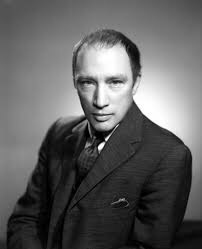
Pierre Trudeau, Justin Trudeau’s father, invoked the War Measures Act in 1970 during the October Crisis. This decision was based on the need to restore order and stability in Quebec, but it was also widely criticized for its impact on civil liberties.
Imagine courtesy, Google
During the Trucker Protest, the Trudeau government’s actions went beyond the Emergencies Act. They worked to disrupt the flow of funds to protesters, securing a court order to freeze funds raised through the GiveSendGo platform. Trudeau also announced tariffs on US goods in response to US tariffs, although this move was not directly related to the protests.
Government Reaction to Protests During Trudeau’s Tenure
Google images
Trudeau’s government has responded to various protests throughout his tenure. Some notable examples include:
– Indigenous Rights Protests: The government faced criticism for its handling of Indigenous rights protests, particularly the Wet’suwet’en pipeline protests.
– Anti-Mask Protests: The government took a firm stance, emphasizing the importance of public health measures and encouraging Canadians to follow the guidelines.
– Environmental Protests: The government has responded by emphasizing its commitment to environmental protection and attempting to balance economic and environmental concerns.
Pre-Trudeau Era
Before Trudeau’s tenure, the Canadian government responded to protests in various ways. Two notable examples include:
– October Crisis (1970): The government invoked the War Measures Act, granting the military sweeping powers to arrest and detain individuals.
– Quebec Protests (2012): The Quebec student protests were a significant event, with students protesting against tuition fee increases.
Trudeau’s Policies and Their Impact
The Justin Trudeau government has introduced several new laws, bills, and taxes that have impacted Canadians’ lives. Some notable examples include:
– Tax Breaks: A tax break announced in November 2024 aims to put more money in Canadians’ pockets by exempting essentials like groceries and children’s clothing from GST/HST.
– Environmental Policies: The government has implemented various initiatives to reduce carbon emissions and promote sustainability, such as the Clean Fuel Standard.
– Notable Policies: The government has supported the expansion of the Trans Mountain pipeline and launched various initiatives to address climate change.
Holding the Government Accountable
Holding leaders accountable is crucial for ensuring that they serve the best interests of their constituents. Here are some ways to hold government leaders accountable:
– Through Democratic Processes: Voting, contacting representatives, and participating in public consultations.
– Transparency and Oversight: Freedom of information requests, independent watchdogs, and whistleblower protection.
– Media and Public Scrutiny: Free press, social media, protests, and demonstrations.
– Education and Critical Thinking: Critical thinking, civic education, and fact-checking.
– Accountability Mechanisms: Independent commissions, parliamentary committees, and judicial review.
In conclusion,
as Canadians, it is essential to remember the significant events that have shaped our nation’s history. The invocation of the Emergencies Act, the government’s response to protests, and the introduction of new policies have all had a profound impact on our country. As we move forward, it is crucial that we continue to hold our leaders accountable and work towards creating a better future for all Canadians.
Are there any activities or hobbies you’ve outgrown or lost interest in over time?
The activity that I’ve lost interest in is riding my bicycle. I still own a bike, which has been hanging in the garage, gathering dust for over ten years now. I’ve always owned a bicycle, as far back as I can remember. As a teenager, I would often ride my bicycle from our little village in Merrickville to surrounding towns like Smiths Falls, Andrewsville, Burritts Rapids, and Kemptville to visit friends and relatives or attend events.
I really enjoyed riding my bicycle. I appreciated the benefits that came with it, such as a slim figure, strong legs, and increased endurance. I also learned to pace myself and have patience. Additionally, I learned to stay off the highway and take the backroads instead. Often, I would meet various people on my travels, including dog walkers, fellow cyclists, and people out for a stroll. Sometimes, I would ride alongside a stranger and we would strike up a conversation about our experiences or challenges. Some of these people became acquaintances, while others remained strangers.
As I got older, I used my bike as my primary mode of transportation to get to work and back home, since I didn’t have a car or driver’s license yet. Unfortunately, this also led to my bicycle being stolen on three separate occasions. The first time it happened was in September 1997. I had locked my shiny red Norco ten-speed outside my apartment building in the bike rack. It was 4 am, and I was getting ready for work when I heard a sound similar to a chain clanging. I didn’t think much of it and continued getting ready. However, when I stepped outside, I realized that my bike was gone. I had to walk to work until payday.
The second time my bicycle was stolen was when I stopped at a convenience store on my way to work to grab a drink. I had locked my cool, white, and red mountain bike, but it was gone when I came out just ten minutes later. Again, I had to walk to work and wait until payday to buy a new bike. After this incident, I decided to get my driver’s license and a car. However, I still enjoyed biking on weekends and days off, but now it was for pleasure rather than necessity. I would ride on local wildlife reserves and bike trails, and I had taken up photography to enjoy during my travels.
The third time my bicycle was stolen was on one of these trails. I had stopped for a bathroom break, and while I was in the outhouse, someone stole my blue metallic super-cycle mountain bike. I had to walk five miles back to the main road and then home. Although I was frustrated, I eventually got over it. As the years passed, I found myself heading out to the trails less and less. It’s been a good ten years now since I’ve gone for a decent ride. However, writing this post has inspired me to consider giving it another try this spring.
In the great tapestry of existence, humanity stands at the threshold of a profound awakening. As we delve deeper into the uncharted territories of consciousness such as AI and neurotechnology, we are met with a paradox: the more we discover, the more we realize how little we truly understand. This article is an invitation to explore the frontiers of human potential, where the boundaries of technology and consciousness converge.
As much as we know about life, humanity, the planet, and the universe, we’re humbled by how little we truly understand. We’re a species still discovering ourselves and our potential. As we continue to evolve, we’re reminded of how much more there is to learn and explore.
As AI and neurotechnology emerge, a sense of fear pervades many people’s minds. I find it intriguing that despite our rapid progress, we still have so far to go. Personally, I’ve experienced significant growth as a conscious individual. I’ve learned to be present, guided by my higher self, and receptive to downloads from the collective consciousness. This inner exploration drives me to continually research and learn, fueling my evolution.
I’m aware of the interplay between my conscious and subconscious mind. By intentionally impressing my thoughts and emotions on my subconscious, I can shape desired outcomes in the world. This awareness has allowed me to transcend the limitations of previous generations. My parents and their parents lived in a state of unconscious acceptance, adhering to societal norms: childhood, education, career, marriage, and retirement. They never explored consciousness, the universe, or the power of their minds.
My own journey has been different. I’ve chosen a path of self-discovery, and this reflects my personal evolution. Yet, I recognize that my growth is ongoing – there’s still so much to learn and explore.
In conclusion, As we peer beyond the threshold of our human potential, we can embrace a landscape of limitless possibility. The synergy of consciousness, AI, and neurotechnology, possibly holds the key to unlocking our deepest potential, it has the potential to empower us to transcend the limitations of the past and move forward to a brighter future. As we continue to evolve, let us remain open to the mysteries that lie ahead of us and embrace the journey of self-discovery with the infinite possibilities that await our arrival.
I’m exploring the intersection of brain-computer interfaces and lucid dreaming. This fascinating, futuristic subject just sends my mind racing with the possibilities of the application.
Neurotechnology and dreams is a fascinating field that’s rapidly evolving and I absolutely want to be first in line, for the trials. At the intersection of brain-computer interfaces (BCIs) and lucid dreaming lies a world of possibilities. Being so highly advanced, I had my work cut out for me here, as I’m not a scientist but am scientifically inclined.
First I decided that I had to figure out exactly what brain-computer interfaces were. Here’s what I found:
What are Brain-Computer Interfaces?
BCIs are systems that enable people to control devices or communicate with others using only their brain signals.
I discovered that, this technology has the potential to revolutionize the way we interact with the world, especially for individuals with paralysis or other motor disorders.
Lucid Dreaming and BCIs
Lucid dreaming is the ability to consciously recognize and control your dreams while you are dreaming. When we combine it with brain-computer interfaces (BCIs), lucid dreaming can enable people to send real-time signals from their brain during sleep to the external world. This is absolutely amazing! This combination provides a unique opportunity for dream researchers. It can potentially allow people, like you and me, to influence their own dreams. How much fun will it be to use BCIs? Only time will tell.
Current Research and Developments
Researchers have been exploring the feasibility of using BCIs during lucid dreaming. A pilot study published in the International Journal of Dream Research demonstrated that participants could use a BCI to control a computer interface during a lucid dream. Another study discussed the potential of integrating quantum sensors into BCIs to enhance their performance.
Potential Applications
The intersection of neurotechnology and dreams has far-reaching implications. Some potential applications include:
Dream Incubation
Using BCIs to influence and control dreams, potentially allowing people to overcome recurring nightmares or anxieties.
Neurofeedback Training
Utilizing BCIs to provide real-time feedback on brain activity during sleep, helping individuals to improve their sleep quality and duration.
Lucid Dreaming Induction
Developing BCIs that can detect the onset of lucid dreaming and provide cues to help individuals become aware of their dream state.
While this field is still in its infancy, I’m finding that the possibilities are endless, and there is a real potential for innovation that is vast.
Here are some possible practical uses of neurotechnology and dreams:
Medical Applications
Sleep Disorder Treatment, Neurotechnology can help diagnose and treat sleep disorders such as insomnia, sleep apnea, and restless leg syndrome.
Nightmare Therapy,
BCIs can detect and interrupt nightmares, helping individuals with PTSD or other trauma-related disorders.
Pain Management, Neurotechnology can help manage chronic pain by monitoring and regulating brain activity during sleep.
Cognitive Enhancement
Memory Consolidation,
Neurotechnology can enhance memory consolidation during sleep, improving learning and memory retention.
Problem-Solving,
BCIs can monitor and influence brain activity during sleep, helping individuals find creative solutions to problems.
Focus and Concentration,
Neurotechnology can improve focus and concentration by training the brain to enter desired states of consciousness.
Mental Health
Anxiety and Stress Reduction,
Neurotechnology can help reduce anxiety and stress by monitoring and regulating brain activity during sleep.
Mood Regulation,
BCIs can detect and influence mood-related brain activity, helping individuals with depression or bipolar disorder.
Emotional Regulation,
Neurotechnology can improve emotional regulation by training the brain to respond to emotional stimuli in a healthier way.
Performance Optimization
Athletic Performance,
Neurotechnology can optimize athletic performance by monitoring and regulating brain activity during sleep, improving physical recovery and mental focus.
Cognitive Performance,
BCIs can enhance cognitive performance by training the brain to enter desired states of consciousness, improving focus, attention, and memory.
Creative Performance,
Neurotechnology can improve creative performance by monitoring and influencing brain activity during sleep, enhancing imagination and innovation.
Accessibility and Communication
Assistive Technology,
Neurotechnology can enable individuals with paralysis or other motor disorders to communicate and interact with their environment using only their brain signals.
Dream-Based Communication,
BCIs can enable individuals to communicate through their dreams, potentially allowing people with locked-in syndrome to express themselves.
Neuroprosthetics,
Neurotechnology can control neuroprosthetic devices, restoring motor function and independence to individuals with paralysis or amputations.
In conclusion,
I am filled with excitement about this new and emerging neurotechnology. You can’t get any more insight into the details of your dreams than you can through this process. Although, I only included a few examples of this technology, there are many potential practical uses for neurotechnology and dreams. As research continues to advance, we can expect to see even more innovative applications in the future.
My favourite candy is old-fashioned, hard Christmas candy. It is packed with a multi-flavoured, medley, of Christmas past, present and future. When I was a child, enjoying this candy was more about the excitement of the days ahead and less about the actual candy. Mom always had the Christmas treats spread out, all through the month of December. She began to bake on the first day of and she would put out beautiful candy dishes filled with all kinds of different Christmas candies.
Mom and her Christmas time baked goods 😋
She made baked cookies, squares, and pies. We also had nuts, licorice (all sorts), and candy canes, of course. However, the treats I enjoyed most were the old-fashioned Christmas candies that she always put out first.
Mixed nuts All sorts liquorice Old-fashioned Christmas Candles
I could never eat just one. I would fill my cheeks full and enjoy the flavor explosion inside my mouth – cinnamon and clove with a peppermint flare. My hands and mouth would be stained and sticky from eating them. Each year was full of fun and memorable things, all attached to these Christmas candies and the memories they bring.
I still buy these candies every single year. I fill my cheeks full of old-fashioned Christmas cheer. The flavor takes me back to memories of the past, when Mom made Christmas a treat-filled blast.
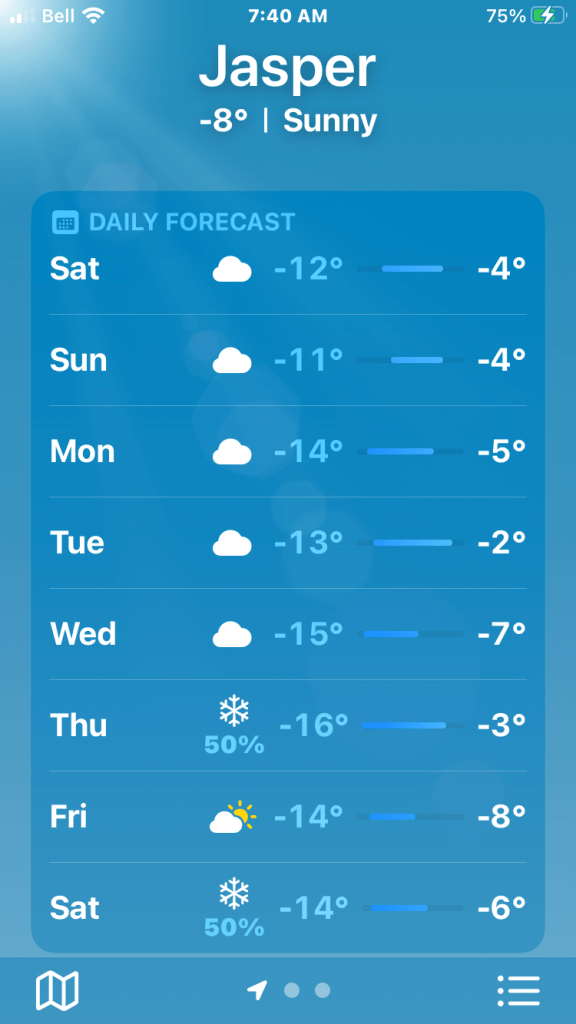
I need a break from winter! Today the temperature is minus eight degrees Celsius.
Weather report from my phone
Typically, in this tiny Canadian town, where I live, the temperature can range anywhere from two or three degrees above freezing to minus forty degrees Celsius. This week looks like the temperature will be hovering around minus fourteen. The wind chill is, almost always, ten degrees below the ambient temperature. Some days, it feels like it could cut through exposed skin, like a knife. Makes me giggle saying that, while thinking, maybe, Brian Adams’ song, Cuts Like A Knife was less about love and more about the winter weather here, in Canada. He’s a home grown, Canadian artist, by the way. Bryan Adams is a Canadian singer, songwriter, and musician. He was born on November 5, 1959, in Kingston, Ontario, Canada. Adams’ music career spans over four decades, and he is known for his hit songs and albums that have become iconic in Canadian and international music.
Even though he wrote this song ‘Cuts like a knife’ about his own heartbreak and his personal struggles with relationships, it seems fitting here for this daily prompt, because each year as winter settles in, I feel like I too am broken up with and feel hurt from the temporary, separation from Summer. Hahaha.
Let me regress, I could use a break from Winter. I need a break from the cold temperatures and the face numbing, wind. I could use a break from shoveling snow and driving, or sliding, down the icy roads.
I look forward to Spring, budding plants and budding trees. I look forward to fields of dandelions blowing off their first set of seeds.
Don’t get me wrong, I love living in Canada. The good, the bad and the ugly of it all. However, even if it’s only once, every couple years, I would love a break from winter.
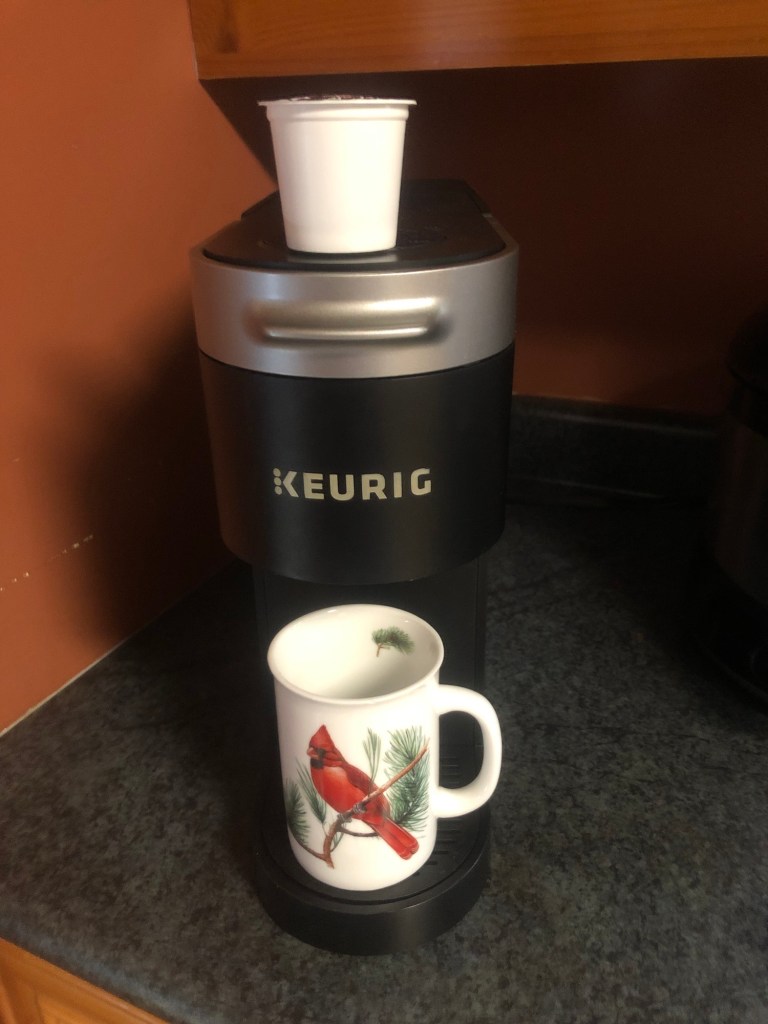
I always detested making a pot of coffee the night before. In order to achieve the flavour and body, of nice cup of Joe, I would have to make an eight cup pot (six cup waste because we only ever drank 2 cups) then set the timer for a fresh brew in the morning. I use the word fresh loosely here. The coffee was never as good as it could be and oftentimes I would grab a cup from the local coffee shop on my way to work. Seems leaving the coffee grinds in the basket all night would interfere with the freshness factor. That was until the invention of the Keurig single serving coffee machine!
Keurig single serve
Now, there’s no reason for night time preparation. I brew a single fresh cup any time I want. It’s fast and efficient, leaving little to no clean up. Plus I have big cash savings because I no longer stop to buy my second cup of Joe from the local coffee shop anymore. I also was no longer dumping six cups down the drain each day. Which in turn it gave me more time at home before I had to get to work. Each morning, I enjoy a fresh brew or two. It’s delicious and satisfying. For me, it’s the most important invention in my lifetime because it saves me time and money as well as being so very convenient.














 tracyschruderblogspot