The Writer in Me

  • The Power of Collective Consciousness: How Your Feelings and Actions Impact the World

    By Tracy Schruder

    The concept of collective consciousness suggests that the thoughts, emotions, and actions of individuals contribute to a shared energy field that surrounds our planet. This collective energy can influence various aspects of our reality, including the weather and human health.

    The Science Behind Collective Consciousness

    Research in the field of quantum physics and consciousness studies suggests that human emotions and thoughts can impact the world around us. The Global Consciousness Project, led by Roger Nelson at Princeton University, has been monitoring the collective consciousness of humanity since 1998. Their research indicates that when large groups of people share a common intention or emotion, it can create measurable effects on physical systems, such as random event generators.

    The Impact on Weather Patterns

    Studies have shown that human emotions can influence local weather patterns. For example, research by the HeartMath Institute found that when people focus on positive emotions like gratitude and love, it can lead to changes in the ionosphere and potentially influence weather patterns. This is because the heart’s electromagnetic field is powerful enough to interact with the Earth’s magnetic field.

    The Connection to Human Health

    The collective consciousness can also impact human health. Research has shown that when people are surrounded by positive emotions and energies, they are more likely to experience better physical and mental health. Conversely, negative emotions and energies can have detrimental effects on health. A study published in the Journal of Alternative and Complementary Medicine found that group meditation sessions can reduce stress and anxiety in participants.

    The True Beat of Reality

    Our true feelings and hearts are the real beat of reality. When we cultivate positive emotions like love, gratitude, and compassion, we contribute to a more harmonious collective consciousness. This, in turn, can lead to positive changes in the world around us, including more stable weather patterns and improved human health.

    The Power is in Our Hands

    By recognizing the impact of our emotions and actions on the collective consciousness, we can take steps to create a more positive and harmonious world. Here are a few ways to get started:

    – Practice mindfulness and meditation:

    Focus on cultivating positive emotions and intentions.

    – Connect with nature:

    Spend time in nature to cultivate a sense of connection and harmony with the Earth.

    – Spread love and kindness:

    Share positive emotions and energies with those around you.

    By working together to create a more positive collective consciousness, we can build a brighter future for ourselves and the planet.

  • My Guiding Principles: My Quote and Mantra

    Do you have a quote you live your life by or think of often?

    By Tracy Schruder

    I live my life guided by two powerful reminders: a quote that resonates deeply with me, and a personal mantra that keeps me grounded. The quote that shapes my perspective is: “Everything is Temporary.” This simple yet profound truth helps me approach life’s challenges and joys with equanimity, reminding me that nothing lasts forever – not the hard times, nor the good.

    Alongside this quote, I repeat a personal mantra to myself: “Everything is working out for me.” This affirmation helps me stay focused on the positive, trusting that even in uncertainty, things are unfolding as they should.

    Together, these two principles remind me to stay present, appreciate the moment, and trust in the journey. They inspire me to live with intention and gratitude, embracing each day with an open heart and mind.

  • Victoria Day

    What is your favorite holiday? Why is it your favorite?

    By Tracy Schruder

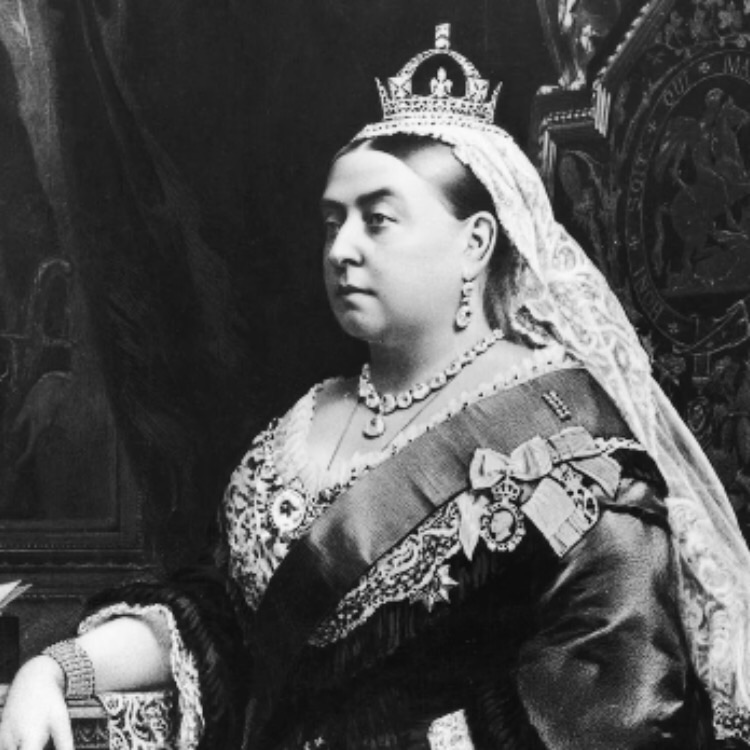
    For me, Victoria Day is more than just a statutory holiday – it’s a cherished celebration that coincides with a very special occasion. We Canadians affectionately refer to it as the “May 2-4 weekend,” and it’s a time when we take a well-deserved break. The weather is usually favourable for planting so we usually, plant our herbs, flowers and vegetables that weekend. We clean up the yard and gardens to get them ready for summer. While the holiday was originally named to honour Queen Victoria’s birthday, for my husband and me, it’s become a significant date for another reason altogether.

    My front yard
    Queen Victoria

    May 18, 2008, was the day we exchanged our vows and began our married life together.

    Each year, we celebrate our anniversary during the Victoria Day long weekend. It’s a tradition that holds a lot of meaning for me, and I look forward to it every year.

    Not a single Victoria Day has passed since our wedding that I haven’t thoroughly enjoyed, and I’m grateful to have this special time to reflect on our journey together.

    This holiday has become an integral part of our lives, and I’m thankful to have such a wonderful way to commemorate our love and commitment to each other.

  • Breaking Free from Childhood Trauma: Harnessing the Power of Mindful Thought

    By Tracy Schruder

    The relationship between the mind and body is often misunderstood. While it’s commonly believed that the body controls the mind, the truth is that the mind creates emotions, which can then influence the body. Traumatic events and repetitive experiences can condition the body to respond in a predictable way, holding onto memories and emotions associated with the trauma. This can lead to a cycle of fight-or-flight responses, where the body seems to dictate the mind’s reactions.

    As an adult, I’ve experienced this firsthand. Flashbacks and memories from childhood trauma would surface, triggering a cascade of emotions and physical sensations. However, I discovered that by learning to control my thoughts and understanding the mind-body connection, I could change my body’s perception and reaction. My reality shifted as a result.

    When traumatic memories arise, I now use my breath to guide my thoughts. I replace old emotions and pain with new, present-moment awareness. By doing so, I’ve healed from past pain and no longer feel triggered or controlled by those memories. Instead, I focus on thoughts that are true and pleasing in the present moment.

    The truth is, our bodies are constantly changing. Our organs, skin, and cells are replaced with new ones every few months. In fact, it’s estimated that we get a nearly brand-new body every 2-5 years, depending on the type of cells. Why not let our memories and thoughts follow a similar process of renewal? We have the power to rewire our minds and release the hold of past traumas.

    The key is recognizing that we are not the same person we were as children. In fact, we are a brand-new person every single day. By embracing this reality, we can break free from the cycle of trauma and pain. We can choose to let go of old memories and emotions, replacing them with new thoughts and perspectives that reflect our present-moment reality. By doing so, we can heal, grow, and live more fully in the present.

  • Campfire Frights and Fond Memories: A Look Back at Bellamy Park

    Have you ever been camping?

    By Tracy Schruder

    As the most frequent campers at the park, my friends, cousins, siblings and I would gather around the campfire to roast marshmallows and share scary stories. Each of us had a turn and I always wanted to go last and most years, I got my wish. I would listen intently to each person and their stories, encouraging them with sounds of my fright. I always got right into them. When it was my turn, I would turn on a flashlight under my chin, I’d spin a yarn that would leave some listeners trembling with fear. One of my favorite tales was about Agatha Brighter, a young girl who went missing at Bellamy Park in the early 1900s. According to the story, Aggie would lure children into the forest at night, never to be seen again. The warning was clear: don’t venture into the woods after dark, or Aggie would lead you astray, forcing you to remain with her forever.

    As a child, I loved going camping with my family at Bellamy Park in Toledo, Ontario, just 20 minutes from Smiths Falls. The park’s 100 acres of scenic beauty, nestled along Bellamy Lake, offered the perfect setting for outdoor adventures. We’d spend our days swimming, playing baseball, and exploring the surrounding woods. But it was the nighttime gatherings around the campfire that remain most vivid in my memory.

    Every year, we’d meet new friends and bid farewell at the end of our trip, unsure if we’d ever see them again. Yet, it was always exciting to reunite with friends from previous years. However, not everyone returned to Bellamy Park, and the stories we told around the campfire might have been a reason why.

    Another spine-tingling tale was about the graveyard on the hill on the other side of the lake. Legend had it that if you weren’t careful while swimming, you’d wake the dead, and they’d pull you under, dragging you back to their grave. As the years passed, my stories became more elaborate, with added details that sent shivers down the spines of my listeners.

    One particular experience still sends chills down my spine. I recall getting lost in the woods late one night, and stumbling upon the graveyard on the hill. It was as if Aggie had led me there, just narrowly missing her grasp. The encounter left me shaken, but it also fueled my imagination, and my scary stories became even more terrifying.

    Our last year at Bellamy Park, I was 13 years old, and my campfire tales had reached new heights of terror. I scared some of the little kids to tears, and I knew I’d mastered the art of the campfire scare. Looking back, those trips were more than just fond memories; they were a rite of passage, a way to test our courage and imagination.

    Though I no longer camp at Bellamy Park, the memories of those nights around the campfire remain etched in my mind. The thrill of telling scary stories, the laughter, and the camaraderie with friends and family – it’s a nostalgia I’ll always treasure.

  • The Fleeting Nature of Life: A Reflection on Time and Mortality

    By Tracy Schruder

    Some people may not consider birthdays or holidays important, but I believe this stems from a lack of understanding about the brevity of our lives. We’re allotted a mere 70 to 125 years, if we’re lucky, and it still feels like an insufficient amount of time. Aging, too, seems unnatural in its rapidity. In contrast, ancient accounts speak of human beings living for 900 or more years. The biblical figure Methuselah, for instance, is said to have lived to be 969 years old. Some pharaohs were believed to have lived into the thousands.

    What changed that shortened our lifespan so dramatically? Did our environment, lifestyle, or genetics shift in a way that affected our longevity? The history of human evolution may hold some answers. It’s possible that our ancestors’ lifespans were influenced by factors such as diet, climate, and exposure to diseases.

    Moreover, the idea of human evolution raises intriguing questions. Did multiple humanoids coexist in the past? Could different species or subspecies of humans still exist today? These questions challenge our understanding of what it means to be human and encourage us to explore the complexities of our existence.

    In conclusion, it’s essential to value every moment of our lives, not just every day. We’re not here for long, and our time is precious. Let’s cherish each minute and make the most of the time we have. By acknowledging the fleeting nature of life, we can cultivate a deeper appreciation for the present moment and live more intentionally.

  • My Morning Routine: The Key to Productivity

    When do you feel most productive?

    By Tracy Schruder

    I’m a morning person, and my day begins at 5:00 am sharp. After years of waking up at this hour, my body has adjusted to this rhythm, and I rarely need an alarm clock. Even if I miss a night’s sleep, I tend to wake up around the same time, ready to tackle the day. I’ve always found myself to be more driven and productive in the morning.

    My morning routine is designed to set myself up for success. It starts with a body check-in, followed by a guided meditation session that lasts anywhere from 30 to 60 minutes, depending on my emotional state. This mindfulness practice helps me clear my mind and focus on the day ahead.

    After meditation, I enjoy a couple of cups of coffee and a glass of water. The caffeine kick starts my day, while the water keeps me hydrated. If the weather permits, I head outside for some stretching exercises, which helps loosen up my muscles and gets me moving.

    Next, I tidy up the house, which helps me feel organized and in control. Another cup of coffee and a nutritious breakfast follow, giving me the energy I need to tackle my tasks.

    The productive part of my day begins when I open my email and connect with my clients and students. I then check my schedule and book appointments, which usually takes me to around noon. Every other day, I take a break to walk for 3 miles and do 150 reps with hand weights, which helps me stay physically active and focused.

    I’ve found that my morning routine is essential to my productivity. The quiet morning hours allow me to focus on my tasks without distractions, and I accomplish more in the morning than I would later in the day. While I sometimes squeeze in an extra hour of meditation in the afternoon, my morning routine sets the tone for the rest of the day. By prioritizing my mental and physical well-being in the morning, I’m able to tackle my tasks with clarity and drive.

  • My Favorite Emojis: Spreading Joy and Wonder

    What are your favorite emojis?

    By Tracy Schruder

    My favourite emojis are:

    πŸ˜ŠπŸ€—πŸŒΊπŸ™πŸ’«

    They are the first five in my list because I use them all the time. They are my favourite because the messages they convey hold a special meaning to me. Let’s dive into what each of these emojis means to me:

    – Smiling Face 😊:

    I’m all about spreading happiness and positivity through my messages. This emoji represents the joy and warmth I aim to convey in every conversation.

    – Hugging Face πŸ€—:

    I love sending hugs and virtual squeezes to the people I care about. It’s my way of showing affection and kindness, even from a distance.

    – Hibiscus 🌺 :

    For me, the hibiscus flower represents the beauty and wonder of nature. I use this emoji to express my appreciation for the lovely things in life, whether it’s a stunning sunset or a kind gesture from someone. I also like to share this one with my girlfriends because we all love getting flowers, especially on tough days.

    – Praying Hands πŸ™:

    This emoji holds a special meaning for me. I use it to express gratitude, say thank you, or acknowledge the unseen source of all things. It’s a way for me to connect with something greater than myself and show respect.

    – Dazzling Star πŸ’«:

    This emoji represents the magic and wonder of living. I use it to express my awe and appreciation for the mysteries of life and the universe.

    I’m intentional about the energy I bring to my conversations, and these emojis reflect that. I’m all about spreading love, kindness, and positivity, and I rarely engage in negative talk through messages. If there’s an issue, I’d rather have a real-time conversation to resolve it.

    In conclusion,

    For me, these emojis represent more than just symbols – they embody the energy and intention I bring to my interactions. They’re a reflection of my commitment to spreading love, gratitude, and wonder, and inviting others to do the same.

  • Grounded

    By Tracy Schruder

    I walk through morning dew-soaked grass,

    My feet sensing the whole planet’s mass.

    A fluttering relief encompasses my toes,

    Spreading through my feet, as the earth below knows.

    Wet and cool to the touch, I feel no damp or chill,

    Every step a delight, my senses stand still.

    I become present with the breath’s gentle flow,

    Energy coursing up my legs, through muscles aglow.

    My skin, a magnificent sensation,

    Ever-present, a coating I wear with each creation.

    Filled with nerve and sensory stimulation’s might,

    Antennas engaged, I feel every single spark’s light.

    In this moment, I’m one with the earth’s delight,

    Grounded, connected, and shining with inner light.

  • Resonating with Life: Exploring My Favorite Topics of Energy and Vibration

    What topics do you like to discuss?

    By Tracy Schruder

    As a Reiki teacher, I’m drawn to discussing two interconnected topics that resonate deeply with me: energy and vibration. To me, these concepts are intertwined, influencing our overall wellbeing and shaping our experiences.

    I’ve developed a sensitivity to witnessing auras and recognizing blocked chakras in others. This connection allows me to support my clients in their journey toward balance and harmony. By being in tune with my own energy, I can transmute the energy in a room to match my vibrations, creating a space for healing and growth.

    My approach is rooted in love, compassion, and empathy. I believe in harnessing these qualities to foster positive change and promote holistic wellbeing. I’m also mindful of the impact of negative energy and low vibrations on our lives. When necessary, I set boundaries to protect my own health and wellbeing, stepping away from conversations or environments that feel detrimental.

    In my practice, I often incorporate music, particularly solfeggio frequencies, to enhance the healing experience. I find that sound can provoke awareness, calm the mind, and support meditation.

    Through my experiences and work, I’ve come to realize the importance of discussing energy and vibration. By exploring these topics, we can gain a deeper understanding of ourselves and the world around us, cultivating a more harmonious and balanced life.