Category: Uncategorized

  • The Law of Motion

    If you had the power to change one law, what would it be and why?

    If I had the power to change one law I would choose to change the law of motion. I chose this law because I believe that …understanding and applying the principles of Newton’s Laws of Motion can have a profound impact on our daily lives, from the way we design and interact with technology to the way we approach problems and make decisions, and by exploring these laws, we can gain a deeper appreciation for the intricate and harmonious workings of the universe.

    The Laws of Motion were created by Sir Isaac Newton. Newton formulated his Laws of Motion in the late 17th century. Sir Isaac Newton (1643-1727) was a renowned English mathematician, physicist, astronomer, and scientist who laid the foundation for the Scientific Revolution of the 17th century. He is widely recognized as one of the most influential scientists in history. He formulated several hypothesis on the laws that govern life. 

    Newton formulated three laws that describe how objects move and respond to forces.

     There are fundamental principles in physics that describe the relationship between a body and the forces acting upon it. Let’s explore these laws and then dive into a hypothetical scenario where modifying or manipulating these laws could potentially repair spinal cord injuries.

    The Three Laws of Motion

    1. First Law – Law of Inertia 

    An object at rest will remain at rest, and an object in motion will continue to move with a constant velocity, unless acted upon by an external force.

    2. Second Law – Law of Acceleration

    The force applied to an object is equal to the mass of the object multiplied by its acceleration. F = ma

    3. Third Law – Law of Action and Reaction

    For every action, there is an equal and opposite reaction.

    Hypothetical Scenario: 

    Manipulating the Laws of Motion to Repair Spinal Cord Injuries:

    Imagine a world where scientists discover a way to manipulate the Laws of Motion to create a device that can repair spinal cord injuries. This device, called the NeuroMotion Regenerator

    (NMR), uses advanced technology to create a localized distortion of the space-time continuum, allowing for the manipulation of forces and motion at the molecular level.

    The NMR device is placed near the damaged spinal cord area and emits a unique energy signature that disrupts the normal Laws of Motion. This disruption creates a micro-environment where the forces acting on the damaged cells and tissues are altered, allowing for the regeneration of new neural connections and the repair of damaged tissue.

    The NMR device uses advanced algorithms and AI to precision-target the damaged areas, ensuring that the manipulated forces and motion are applied in a controlled and safe manner. The device also includes real-time monitoring and feedback systems to adjust the treatment parameters as needed.

    The Latest Research and Development

    While the concept of manipulating the Laws of Motion to repair spinal cord injuries is still purely hypothetical, there are ongoing research and development efforts focused on using advanced technologies to treat spinal cord injuries. Some examples include:

    Stem Cell Therapies,

    Researchers are exploring the use of stem cells to repair damaged spinal cord tissue. Stem cells have the ability to differentiate into various cell types, including neural cells.

    Neuroprosthetics,

    Scientists are developing neuroprosthetic devices that can bypass damaged spinal cord areas, allowing for the restoration of motor function and sensation.

    Gene Therapies,

    Researchers are investigating the use of gene therapies to promote the regeneration of new neural connections and the repair of damaged tissue.

    Optogenetics,

    Scientists are exploring the use of optogenetics, which involves the use of light to control specific cells or neural pathways, to restore motor function and sensation in individuals with spinal cord injuries.

    While these technologies hold promise, they are still in the early stages of development, and significant research is needed to bring them to clinical trials and eventual widespread use.

    In conclusion,

    while manipulating the Laws of Motion to repair spinal cord injuries is currently purely hypothetical, ongoing research and development efforts are focused on using advanced technologies to treat spinal cord injuries. These efforts hold promise for improving the lives of individuals with debilitating spinal cord injuries.
  • The Power of Gratitude: Celebrating Life’s Joys

    You get some great, amazingly fantastic news. What’s the first thing you do?

    By Tracy Schruder

    I exercise gratitude.

    When I receive great news, my immediate response is to express gratitude. The news doesn’t have to be personal for me to feel thankful. In fact, I’m deeply moved by hearing people’s stories about life’s milestones and successes, such as the birth of a child, a wedding, a career advancement, or a published article or book. I also appreciate stories of philanthropy and kindness.

    Whenever I hear such news, I take a moment to thank the universe and the individuals who share their stories with me. It’s a way of acknowledging the beauty and goodness in the world.

    Of course, when the news is more personal, my gratitude deepens. For instance, when one of my articles or pictures gets published in the local newspaper, or my manuscript is considered for publication, I feel immense joy and thankfulness. Similarly, when a client’s health improves after a Reiki treatment, or a student excels in their Reiki courses, I’m filled with gratitude for the opportunity to make a positive impact.

    But gratitude isn’t limited to big achievements or milestones. I’m also thankful for the everyday blessings in my life, especially those related to my loved ones. When my family and friends experience joy, success, or good health, I’m grateful for the love and connection we share.

    In a world that often focuses on challenges and negativity, practicing gratitude can be a powerful antidote. By acknowledging and appreciating the good things in life, we can cultivate a more positive and compassionate mindset. So, let’s take a moment to express our gratitude for the joys and blessings in our lives.

  • Saying Goodbye to Mom

    How do significant life events or the passage of time influence your perspective on life?

    Loosing my mom was the most significant and heartbreaking life event that greatly influenced my perspective on life. On the surface, my mother and I were not close. We often fought about stupid things and there was a lot of hurt feelings and distance between us. Deep down though she was my best friend and my biggest fan.

    She displayed every piece of artwork that I created for her, proudly, on the walls of the family home. She was present for every art show. She always listened intensely to my poetry and short stories. She always encouraged me to do my best and achieve my goals and dreams, in private. Our love was deep and true.

    Mom became really sick during the Covid pandemic. She didn’t have Covid but suffered from COPD and was on oxygen full time.

    She had been through so much in her life having Rheumatic fever at 12 years old.

    Rheumatic fever is an inflammatory disease that can develop when strep throat or scarlet fever isn’t properly treated. Strep throat and scarlet fever are caused by an infection with streptococcus (strep-toe-KOK-us) bacteria. Rheumatic fever most often affects children ages 5 to 15.

    Unfortunately this lead mom to suffer a heart condition called Mitral stenosis (narrowing of the mitral valve).

    Ultimately in her late fifties, she had to have heart surgery to replace her Mitral valve with a mechanical one.

    The surgery was a success and she was able to recover quickly. However, she would have to take medication like warfarin for the rest of her life.

    From time to time she would be rushed to the emergency department at the hospital to get shocked with the paddles to bring her back to life. I could never get a straight answer from my father as to why this continued to happen to her.

    I never trusted my father with her care but that is another story.

    In 2015 she was diagnosed with COPD. Chronic Obstructive Pulmonary Disease (COPD) is a progressive lung disease characterized by chronic inflammation, airway obstruction, and breathing difficulties.

    Mom was a lifelong smoker and it caught up to her. She was given a new list of prescription medications to take for this condition along with the medication for her pre existing condition.

    For her heart murmur the medications were:

    Diuretics To reduce fluid buildup and swelling.

    Beta blockers To slow heart rate and reduce blood pressure.

    ACE inhibitors to  lower blood pressure and reduce strain on the heart.

    Anticoagulants To prevent blood clots and stroke.

    Anti-arrhythmics To regulate abnormal heart rhythms.

    For the COPD her medications were:

    Bronchodilators To open airways and improve breathing.

        – Short-acting: albuterol, ipratropium

        – Long-acting: salmeterol, tiotropium

    Corticosteroids To reduce inflammation and swelling.

        – Inhaled: fluticasone, budesonide

        – Oral: prednisone

    Phosphodiesterase-4 inhibitors To reduce inflammation and improve lung function.

        – Roflumilast

    Combination inhalers To combine bronchodilators and corticosteroids.

        – Fluticasone-salmeterol, budesonide-formoterol

    Regardless my mom lived the best life that she could.

    During her last months of life, she swallowed her pride and asked me to come help take care of her.

    On my days off from work, I went out to the homestead and helped her with tiny tasks like doing her hair and getting her wash basin ready for her to clean up. Mom was very proud and right up until three days before her death she washed herself. I would get her a fresh set of jammies out while she was doing that, I would clean the house so she could rest.

    I would sit with her and talk about life and my goals and plans for the future. I told her about some of my hurts and she told me about hers. Eventually she would fall asleep and I would tip toe out of the room and head home for the night.

    Three days before she passed away we had a long conversation during which she said that she was a miserable mother to me. This brought tears to my eyes and I had a mix of emotions including sadness for her thinking that, relief for the recognition and grief because I knew that she would never admit to that unless the end was near. I responded with a firm no. I then responded by telling her that I knew that I wasn’t the most loving or compassionate daughter that I wish I had been. The final thing she said to me that day and would be the final words I heard from my mom was “ You my girl, are a ray of sunshine. You bring light and joy to everyone and everything you do. I’m so glad that you’re becoming a Reiki healer, no one is better suited for the job. Keep on bringing the light and shine it in dark places to bring light to difficult situations and heal the wounds of others especially and including those who might not otherwise deserve it.”

    I weeped silently to myself as I bid her farewell “See you in a couple days.” I said and I kissed her on her cheek and left for the day.

    The following Saturday morning started with a phone call from my sister was frantically screaming “Dad can’t wake mom up!”

    I responded by telling her “It’s okay, it’s time, prepare yourself and tell dad to leave her alone until I get there. I’m on my way.”

    A twenty minute drive seemed like five minutes. I arrived at my parents house to find my mother in a coma. I knew the time was near and I tried to comfort my father to no avail. He had already called an ambulance to take mom to the hospital which she did not want as she wanted to pass away at home with family but I didn’t have any control over him. It was obvious he wasn’t going to honour he final wishes however, it wasn’t the time to argue.

    I stayed by her side over the night into the next day. I held her hand and spoke softly about my love for her and how important and loved she was towards anyone who ever had the luxury of knowing her. She opened her eyes a couple of times when my emotions overwhelmed me as if to let me know she could hear me and to comfort me. Mom passed away at Brockville General Hospital at six o’clock in the early morning of September 13, 2021. I was devastated and broken. Nothing was the same and life as I knew it changed forever.

    I was completely lost without her. I felt completely severed from my only true connection that I ever had. This forced me into a major awakening period in my life that continues to this day. I took my mother’s advice and I keep bringing the light to everyone and everything that needs it. I often think about my mom in good days and bad. I know that I wouldn’t change a thing about our relationship because it was the best relationship of my life.

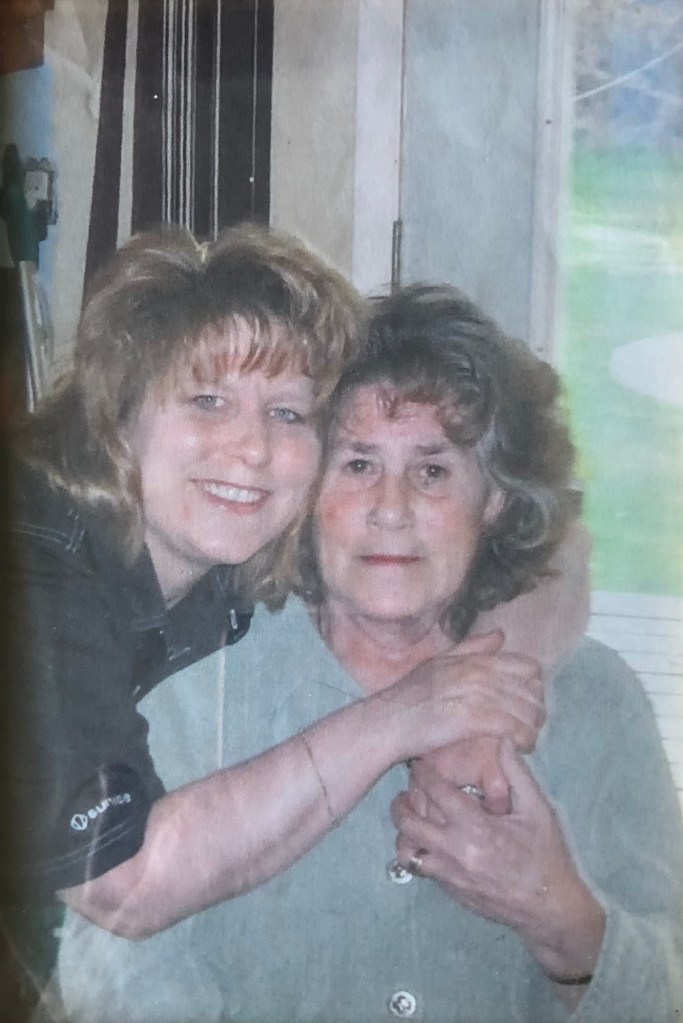
    Me and my mom
  • Five Things I do for Fun

    List five things you do for fun.

    Five things I do for fun

    By Tracy Schruder

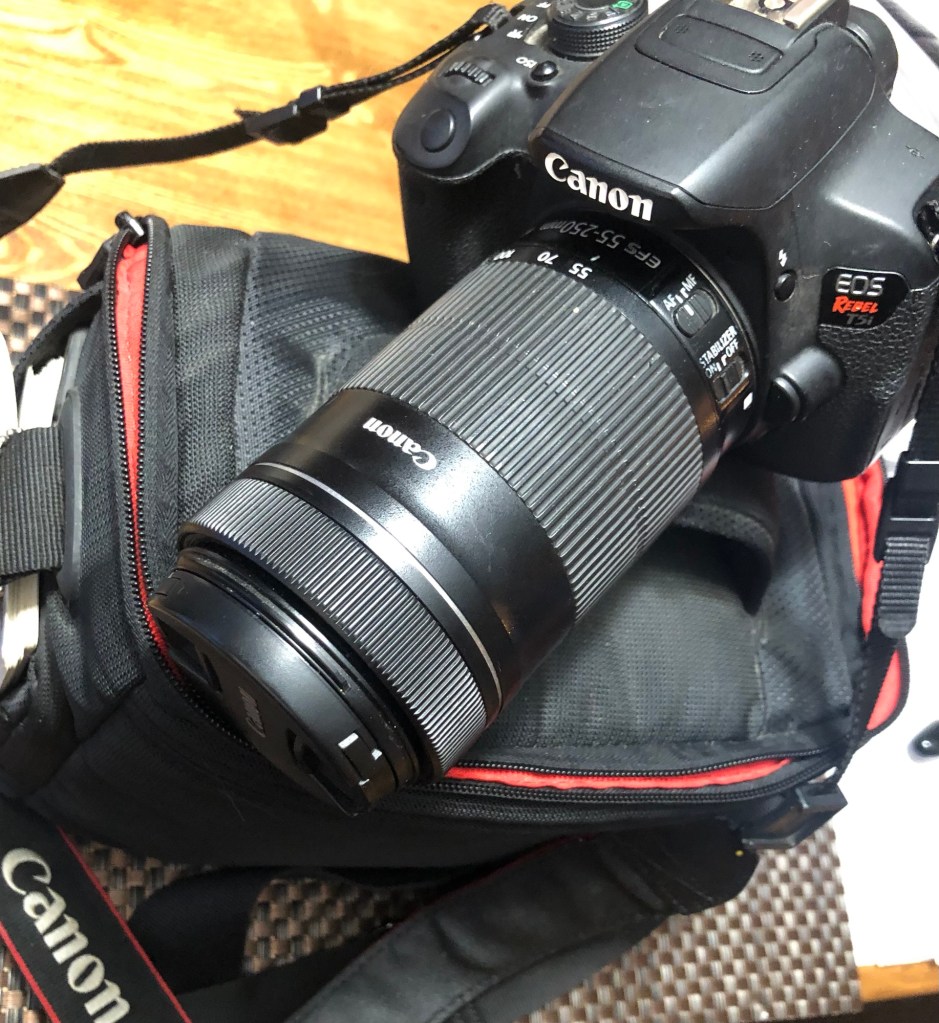
    I enjoy taking pictures.

    My trusty companion

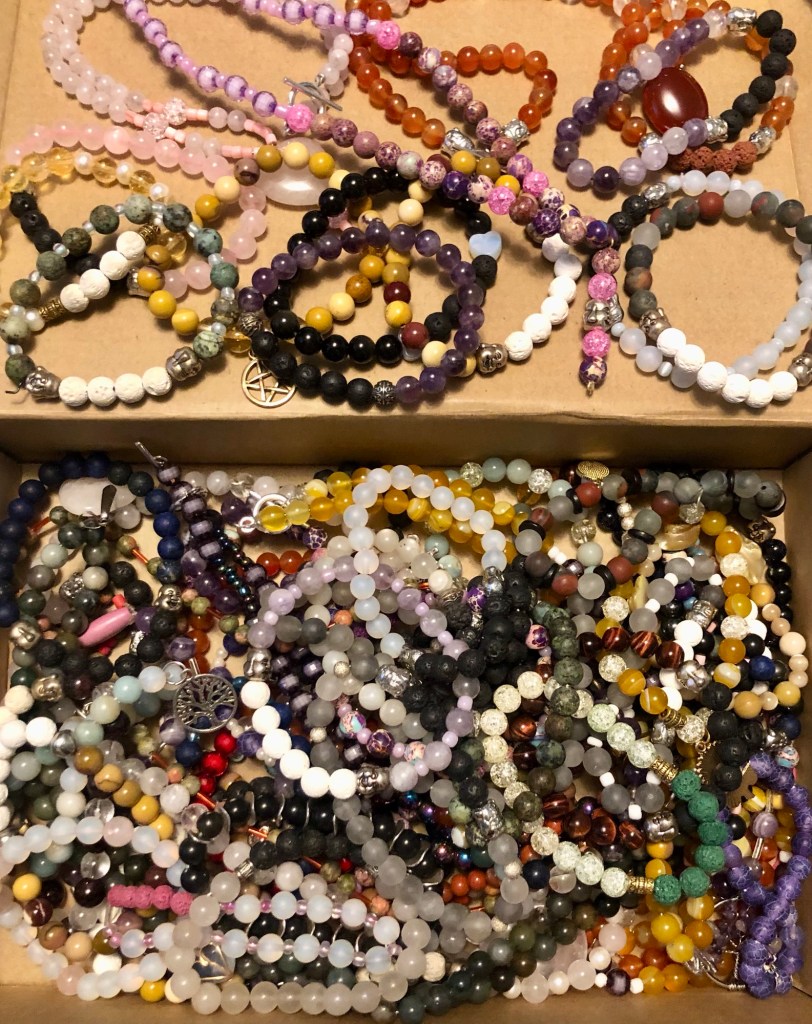
    I enjoy making jewelry

    Semi precious gemstone jewelry

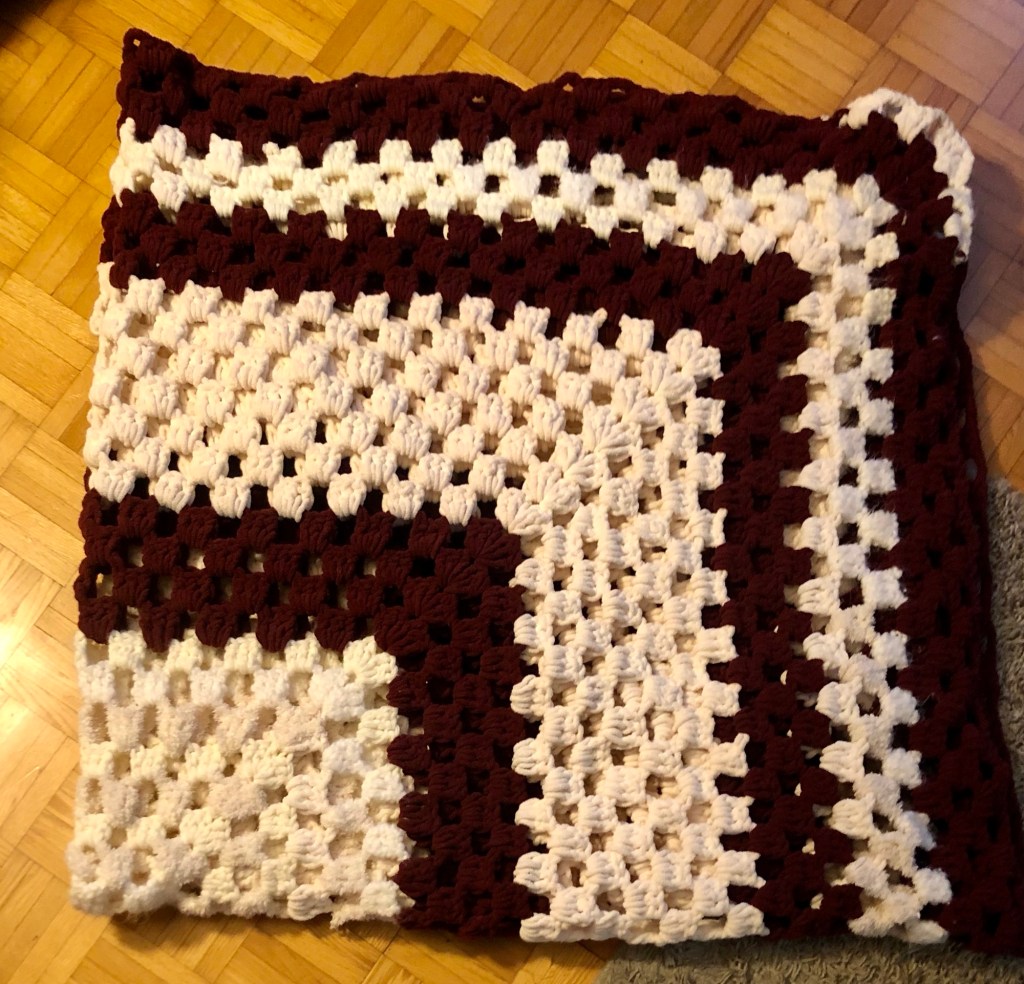
    I enjoy crocheting

    Mixed colour wool blanket

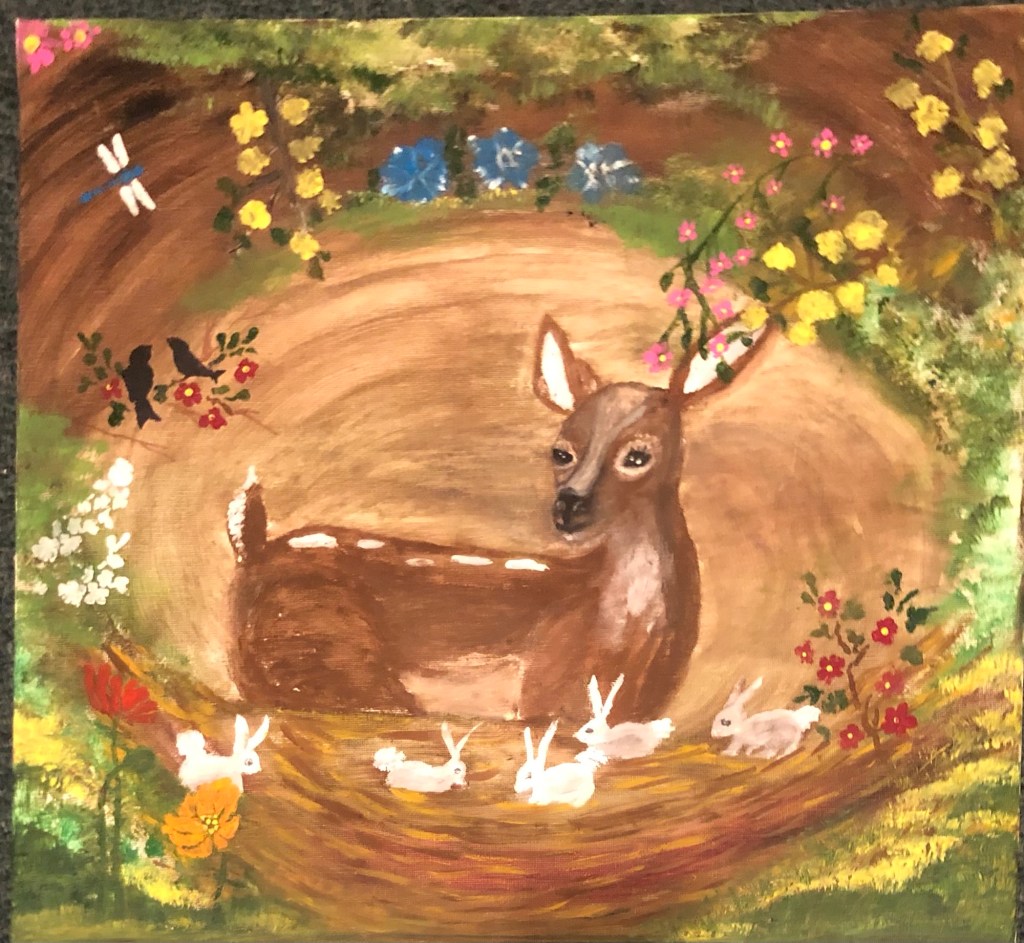
    I enjoy painting

    Oil painting ‘The Den’

    I enjoy journaling

    Various journals
  • The Child-Free Life: Navigating Family, Society, and Self

    By Tracy Schruder 

    Some truth about living the ‘childfree’ life from an expert.

    As I sit here, reflecting on my life’s journey, I am reminded of the profound impact that being unable to have children has had on my life. It’s a reality that has woven a complex tapestry of emotions, challenging my sense of identity, family dynamics, and societal expectations.

    Holidays, once a time for joy and connection, now feel like a painful reminder of what I’m missing. Every gathering is centered around the kids, leaving me feeling like an outsider, a spectator in a life I’m not living. The excitement and laughter of children’s voices, the pride and joy in parents’ eyes, has been bittersweet experience that I’ve learned to navigate with a mix of sadness and gratitude.

    But what’s even more challenging is the secrecy and exclusion that often accompanies my childlessness. Family members and friends will sometimes whisper to each other, keeping secrets from me, under the guise of not wanting to hurt my feelings. It’s a well-intentioned but misguided attempt to protect me, leaving me feeling isolated and disconnected.

    Society’s expectations can be just as painful. People will often ask, “When are you having kids?” or “Don’t you want to be a mom?” 

    (questions that assume I had a choice)

    The implication is that I’m not doing my part, that I’m somehow less of a woman or less of a person because I don’t have children. It’s a stigma that’s hard to shake, a constant reminder that I don’t fit the mold.

    As a result, I’ve lost touch with some distant family members, who seem to have lost interest in me now that I don’t have kids to connect with their own. It’s a painful realization that my worth and value are tied to my ability to produce offspring. I’ve even discovered that I have aunts and uncles with children I’ve never met, a reminder that family can be complicated and that connections can be fragile.

    The emotional toll of all this cannot be overstated. There have been times when I felt like I was drowning in a sea of sadness, like I was losing myself in the process of trying to navigate this childless life. But as I’ve grown older and wiser, I’ve come to realize that this experience has also been a catalyst for growth and transformation.

    It’s forced me to awaken to the present moment, to find meaning and purpose in the here and now. I’ve learned to cherish my art and my writing and to respect them. I treat each finished canvas or pice of writing as they are delicate creations of my soul. 

    I’ve discovered that I am more than my ability to have children, that I am a complex and multifaceted person with so much to offer the world. I’m childfree and I’m going to capitalize on every benefit that it affords me. 

    In the end, my childlessness has been a journey of self-discovery and transformation. It’s taught me to be resilient, to find joy in the unexpected, and to cherish the beauty of the present moment. I am not my circumstances; I am a strong, capable, and creative woman, worthy of love and respect, regardless of my ability to have children.

  • Dealing With Down Days: Embracing the Unpredictability of Life

    By Tracy Schruder 

    As humans, we’re often led to believe that achieving a state of enlightenment or presence means we’ll be immune to life’s challenges. However, the truth is that no matter how spiritually evolved we may be, we’re still susceptible to down days. These days can be triggered by the smallest, most unexpected things like a thoughtless comment, a disregard for our boundaries, or even just a bad night’s sleep.

    Energy Zappers

    There are certain individuals and situations that can drain our energy without us even realizing it. People who consistently disregard our time, energy, and boundaries can be particularly challenging to deal with. Those who take without giving, who never express gratitude, and who prioritize their own needs above everyone else’s can leave us feeling depleted and resentful.

    There is Importance in Self-Awareness

    Recognizing when we’re feeling drained and identifying the sources of that drain is crucial. It’s essential to acknowledge that our energy is finite and that we need to prioritize our own needs to maintain our well-being. This means setting healthy boundaries, learning to say no, and surrounding ourselves with people who uplift and support us.

    When We Dig Deeper We Find Inner Peace 

    So, how do we deal with these down days and the energy zappers that come with them? The answer lies in digging deeper, meditating deeper, and becoming more present and positive. Here are a few strategies that can help:

    Mindfulness and Meditation 

    Taking the time to quiet our minds and tune into our inner selves can be incredibly powerful. Regular mindfulness practice can help us develop greater self-awareness, allowing us to recognize when we’re feeling drained and take steps to replenish our energy.

    Gratitude Practice

    Focusing on the things we’re grateful for can help shift our perspective and attract more positivity into our lives. Take a few minutes each day to reflect on the good things that have happened, no matter how small they may seem.

    Self-Care

    Prioritize activities that nourish our minds, bodies, and souls. This might include exercise, spending time in nature, reading, or simply taking a relaxing bath.

    Reframing Negative Thoughts

    Challenge negative self-talk and reframe unhelpful thoughts. Instead of dwelling on the things that are going wrong, focus on finding solutions and silver linings.

    Embrace Our Imperfection 

    Recognize that it’s okay to not be okay. We’re human, and it’s natural to experience a range of emotions. Rather than beating ourselves up over our imperfections, let’s learn to accept and love ourselves exactly as we are.

    In the end 

    Down days are an inevitable part of life, but they don’t have to define us. By acknowledging our limitations, prioritizing our own needs, and cultivating greater self-awareness, we can learn to navigate even the most challenging situations with greater ease and resilience. So, the next time you’re faced with an energy zapper or a down day, remember to dig deeper, meditate deeper, and find the lesson in the experience.